

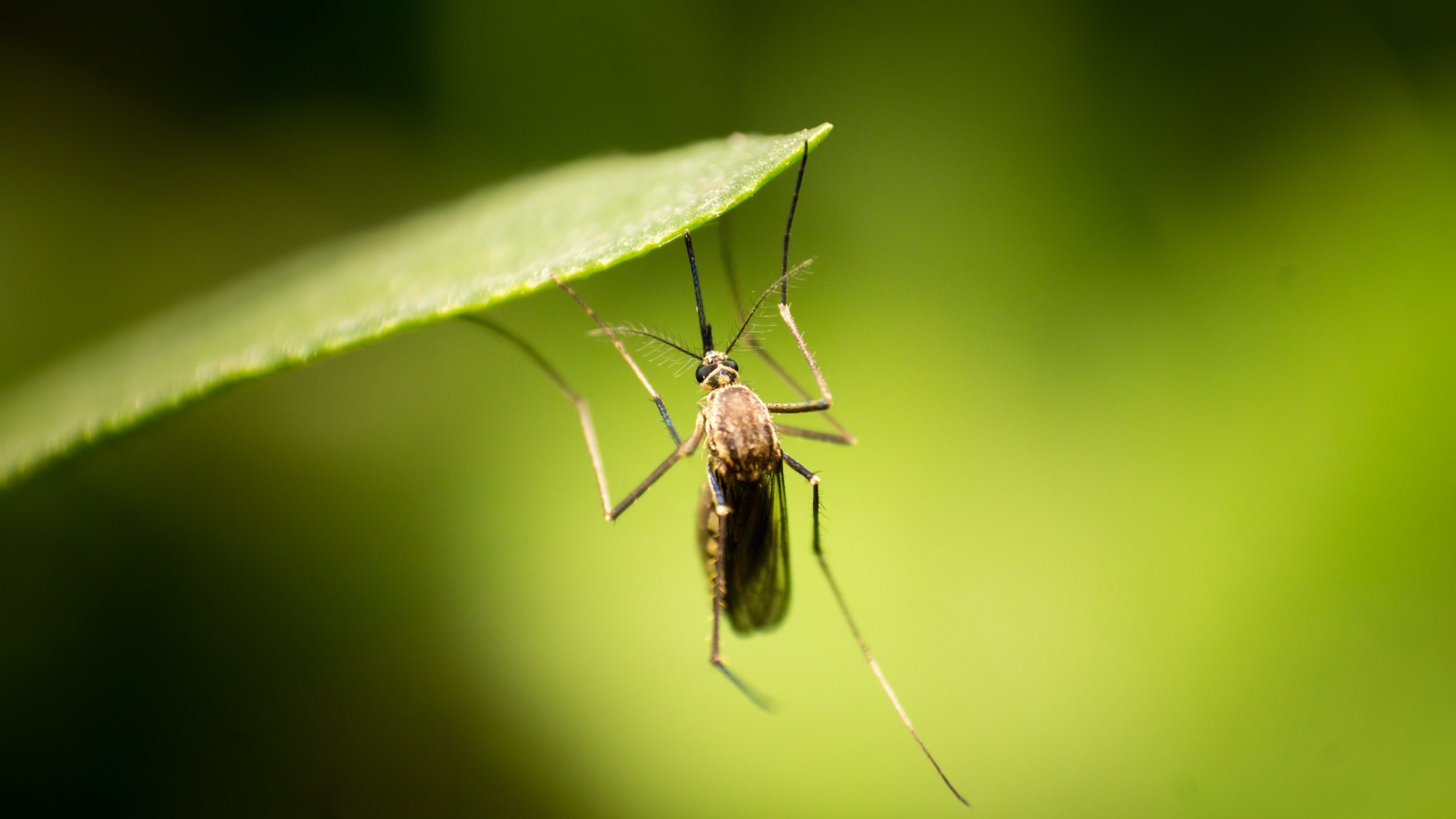
With warm weather and temperatures rising, mosquitoes will begin to make more of an appearance around you and your home. In this article, you will read everything you need to know regarding mosquitoes.
There are over 3,500 types of mosquitoes found throughout the world. In the Northwest, the most common types of mosquitoes are the Northern House mosquito and the Western Encephalitis mosquito. These mosquitoes carry germs and can transmit diseases between humans and animals. Both of these mosquitoes are known to have West Nile virus, Japanese encephalitis, and St. Louis encephalitis. Most people with Japanese and St. Louis encephalitis do not show symptoms, however, on rare occasions, it is possible for the brain to swell and lead to death. Understanding how to prevent mosquitoes will help you and your family stay safe this summer.
Mosquitoes will bite both day and night, depending on temperature, humidity, and other factors, however, only female mosquitoes draw blood. Male mosquitoes will only feed on nectars found on plants. Males survive and get adequate energy from the sugar in the nectar. Because females grow and develop eggs, they seek protein that comes from blood sources. Females will drink anywhere between 0.001 to 0.01 milliliter of blood. When putting this into perspective, this amount is equivalent to a human drinking a filled bathtub. As mosquitoes bounce between humans and animals throughout their day, it is easy for germs and viruses to pass around quickly. It can take just a few infected mosquitoes to start an outbreak within a community.
It is important to cover your skin with articles of clothing when hiking through thick forests and anywhere near standing water – commonly known as mosquito breeding areas. Mosquitoes are attracted to the smell of humans and animals. When using mosquito repellents with DEET, your smell is masked by the repellent, making it difficult for mosquitoes to find their blood source. Mosquitoes also commonly avoid the smell of lavender, citronella, clove, basil, cedarwood, eucalyptus, peppermint, lemongrass, and rosemary.
Mosquitoes will often die as temperatures begin to cool down and are also known to die if they come across extremely dry heat with no humidity. Because female mosquitoes receive plenty of protein from the blood they drink, on average, they will live up to six weeks. Male mosquitoes, however, will typically live only for six to seven days.
If a mosquito bites you, avoid scratching the affected area and immediately wash the affected area with mild soap. This will prevent the chance of infection and irritation. If you find the bite irritating and uncomfortable you can try over-the-counter medications and cold-presses. Simply apply a cold object or ice pack wrapped in a thin cloth to the bite and leave sitting for ten to fifteen minutes. This will allow the inflammation to decrease and give you a better chance of healing faster.
If you come across a mosquito infestation, contact your local Insight Pest Solutions! We take mosquitoes seriously and will happily spray infested areas to prevent returning mosquitoes and deter future mosquitoes from lingering.


