
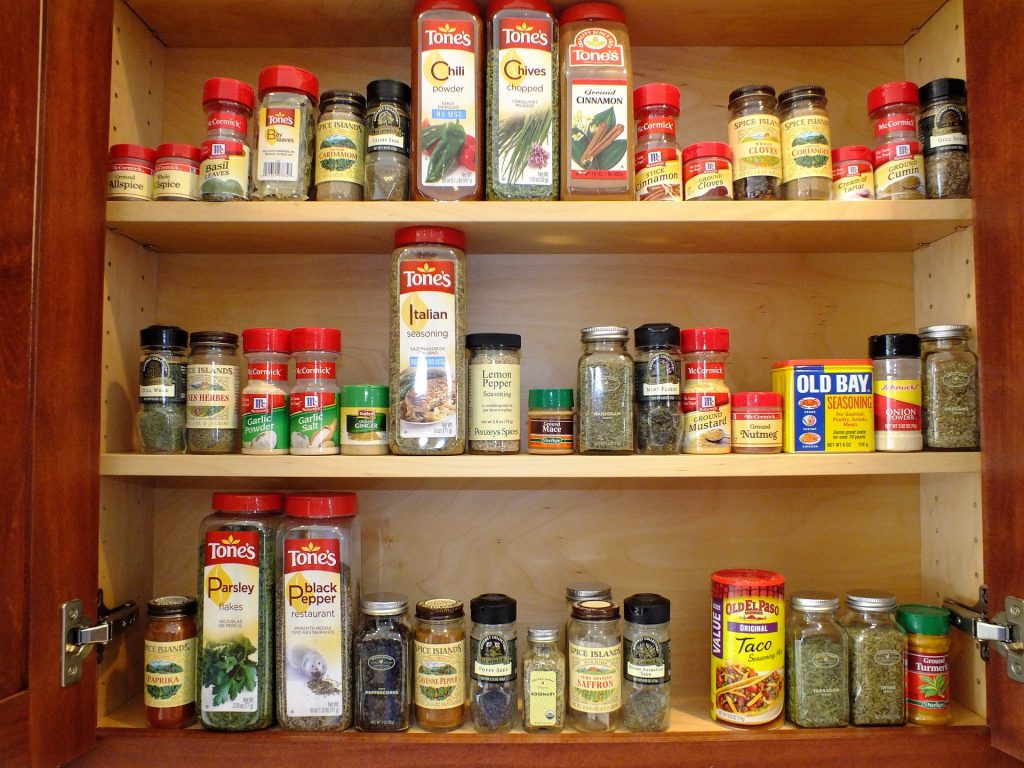

Pests need food and water to survive, making kitchens their perfect happy spot. Common pantry pests include ants, cockroaches, pantry moths, flour beetles, weevils, and rodents. Luckily, there are preventive measures you can take to avoid these pests from overtaking the food in your pantry. By following these simple steps, you can help keep your kitchen pest-free.
1. Seal Entry Points
There are numerous ways pests enter a home but the most common is through cracks and gaps. It is important to ensure that all areas throughout the interior and exterior of your home are sealed. Perform a thorough inspection of your home, paying particular attention to baseboards, windows and doors, corners, and your home’s foundation. Use materials such as caulk or weatherstripping to seal up your home and protect it from any possible entry points.
2. Use Airtight Sealed Containers
Pests are attracted to food and many of them can detect it from far away. Pests will most likely invade an area where they have easy access to food. By keeping your food stored in airtight sealed containers, you can keep your food protected. It is important to also store pet food properly. Leaving open bags of pet food can easily attract rodents, ants, cockroaches, and other common household pests.
3. Regularly Clean Your Kitchen Area
A clean kitchen and pantry will help remove any fallen crumbs and spills. Keeping your floors and countertops clean ensures that your home does not have any leftover food. By removing pests’ main attractant, your home will become less appealing and you will begin to notice less pest activity.
4. Proper Storage
Most bugs nest inside walls or in other protected and dark areas. Storing your food off the ground and away from walls can help minimize the risk of pests. It can also be helpful to keep your pantry items organized. Pests have a heightened sense of smell and can usually detect rotten food items more easily. By eating your older items first and throwing away any expired or rotten food items, you can help keep your home protected from pests.
5. Use Natural Repellents
You may consider placing natural repellents throughout your home – especially in the kitchen and pantry. Some natural repellents include bay leaves, cloves, peppermint oil, or cedar blocks. Though this tactic may not be the most effective, it can help to deter future pests away from your home.
6. Inspect Groceries and Items Brought Inside
Before bringing in groceries, packages, or any other items that were previously outside of the home, check for any signs of pests. It can be common for pests to hitch a ride and be brought into a warm, protected home.
7. Fix Leaks and Moisture
Just like food, pests also need water to survive. Pests are commonly attracted to moisture and can be found in areas like bathrooms or kitchens. It is important to fix any leaky pipes or faucets to keep the moisture levels in your home down. By removing any leaks, you can significantly reduce the risk of pests invading your home.