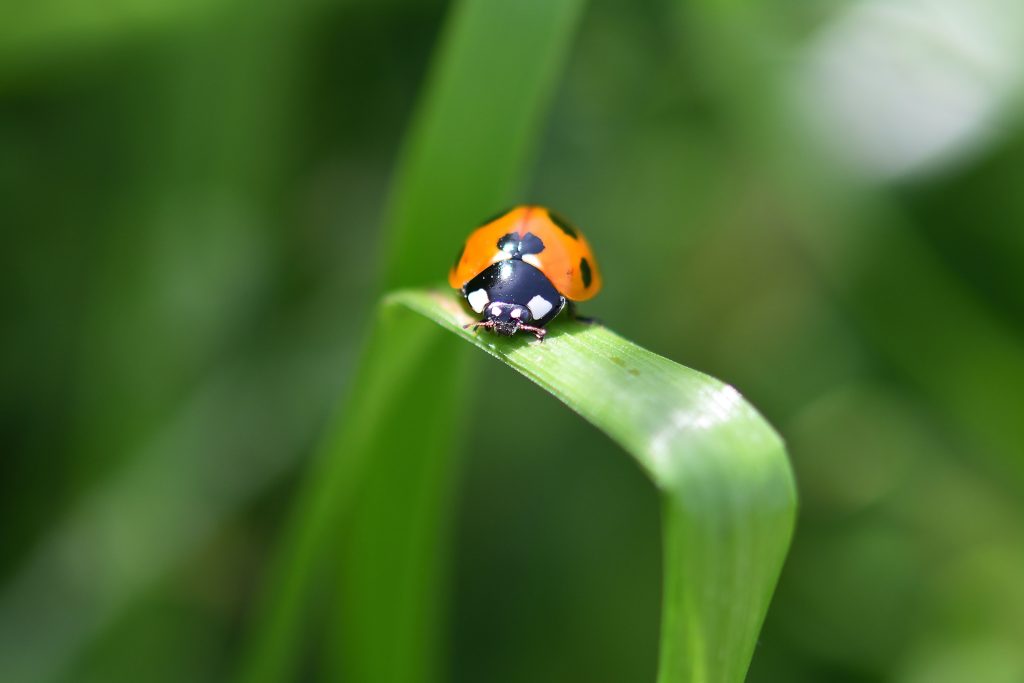
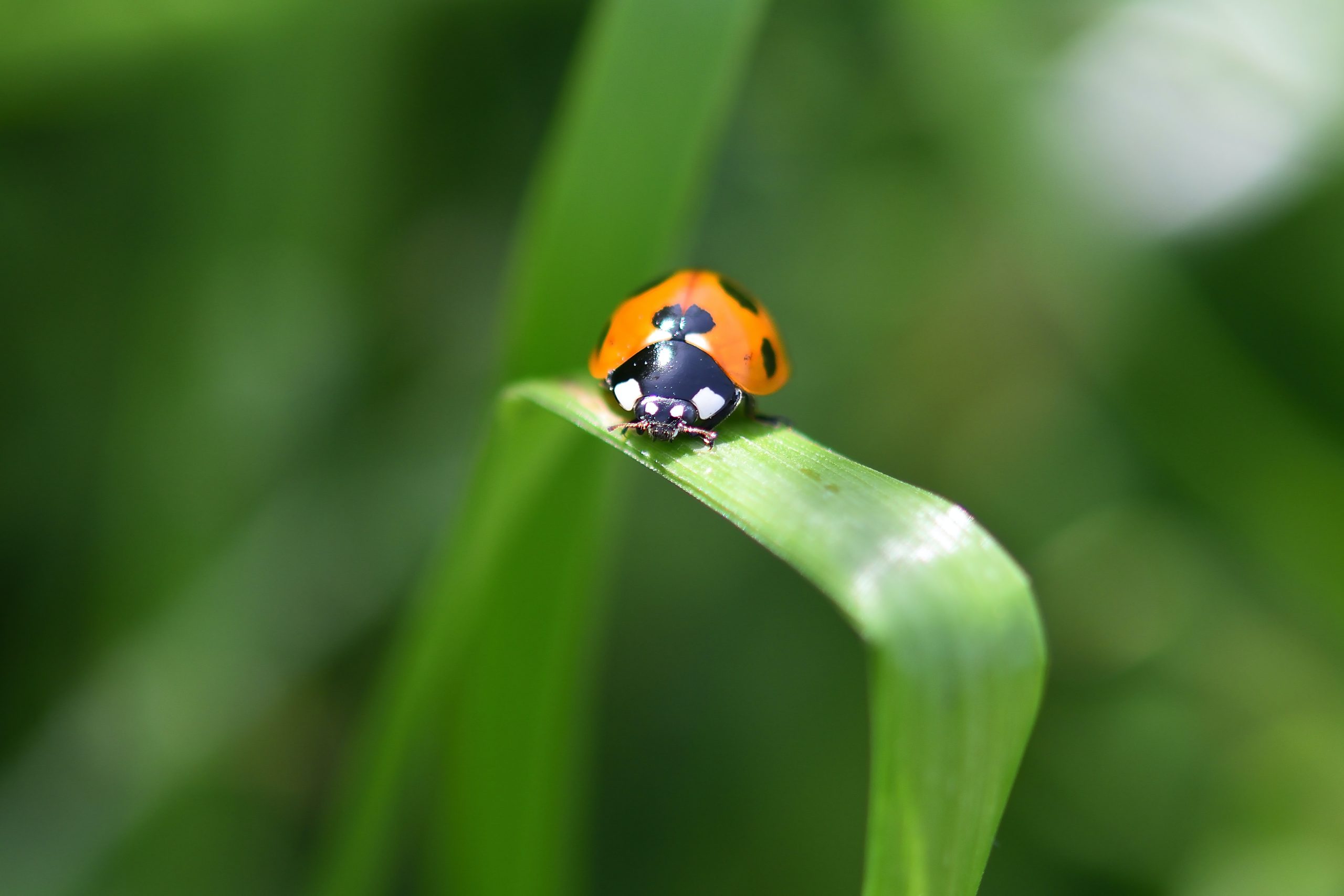
Though Asian ladybeetles look very similar to ladybugs, their behaviors are quite different, classifying one of them as a common pest. Common ladybugs are usually red or orange with some black spots on their backs. Asian lady beetles, on the other hand, have many black spots and can vary in colors between yellow, orange, and red. Asian lady beetles tend to be more aggressive and gather in larger numbers. When these insects are threatened, they may emit a yellowish fluid causing stains on surfaces. These beetles are also known for omitting unpleasant odors when threatened.
While ladybugs may occasionally wander inside, it is usually by accident. Ladybugs primarily occupy gardens or forested areas. Asian lady beetles look for warmth and protection during the colder months and gather in large groups. During the colder months, it is common for these beetles to seek refuge inside people’s homes. While these beetles are attracted to protected areas, they also seek places with available food sources. Asian lady beetles commonly eat aphids, pollen, or fruits.
If you come across a cluster of these beetles, it is important to address them quickly before they continue to stain areas around the home and possibly grow in number. Here are some things you can do to help treat Asian lady beetles in your home.
- If you have come across Asian lady beetles in your home, use a vacuum and use the vacuum hose setting to gently suck up the beetles indoors. Be cautious to avoid crushing them as they release yellow-staining fluid when threatened. Discard the dirty vacuum bag into an outdoor trash bin or simply place your vacuum outside and allow the beetles to escape into the outdoors.
- Consider creating a simple trap by using a light source and a container. While this option may not be as quick and effective as using a vacuum, it can help capture some of the beetles in the area. Lady beetles will be drawn to the light and will gather inside the container which you can then cover and discard in an outdoor area or outside the trash bin.
If you are experiencing many beetles in your area, treating them may not seem reasonable or manageable. If this is the case, contact your local Insight Pest Solutions. Our technicians have been specially trained on how to deal with these insects and discard them effectively and quickly.
To further prevent these beetles from reentering your home, it is vital to ensure that all potential entry points have been sealed with caulk or weatherstripping materials. Look for places around your home’s walls and foundation for small openings or crevices. Asian lady beetles can fit through tight nooks and crannies when their motivation is to seek warmth and protection from the harsh winter months. By properly sealing your home, you can help keep Asian lady beetles and other pests away this winter and spring seasons.