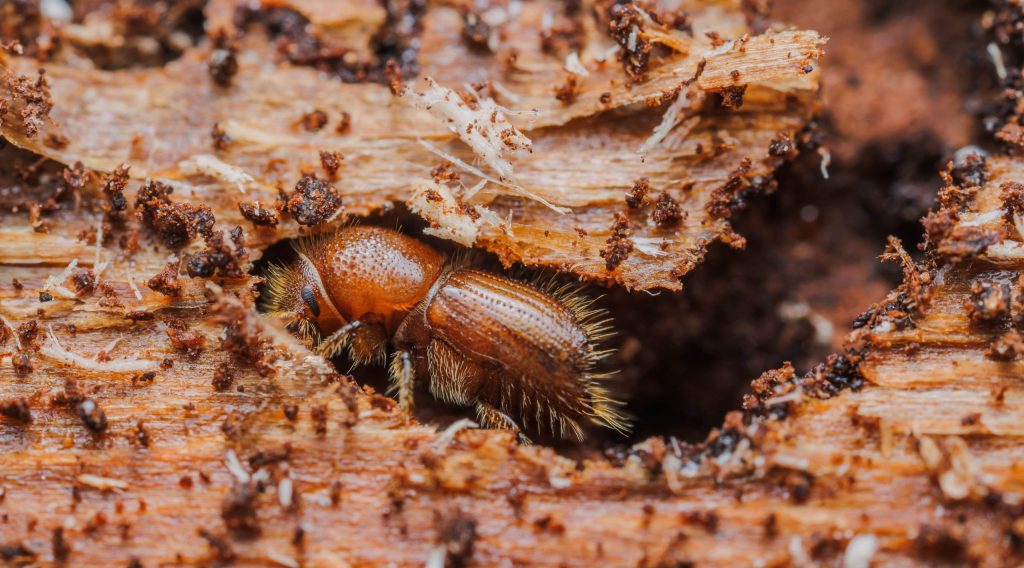
Idaho Falls is known for its lovely landscapes, but it also faces challenges from pests that threaten the health of local forests and trees. Bark beetles are a significant concern. Today, we will explore the ins and outs of bark beetles so that you can make more informed pest control choices.
The Life Cycle of Bark Beetles
Bark beetles belong to the family Scolytidae and have a life cycle of four stages: egg, larva, pupa, and adult. In Idaho Falls, adult beetles typically emerge in late spring to early summer, seeking healthy trees to infest. They bore into the bark, laying eggs in the cambium layer, where the larvae feed on the tree’s inner tissues. This feeding disrupts the tree’s ability to transport water and nutrients, leading to decline and, in severe cases, death.
Common Bark Beetle Species in Idaho
Several bark beetle species are prevalent in Idaho, each posing unique threats:
- Mountain Pine Beetle: A primary pest of lodgepole and ponderosa pines, this beetle has caused extensive mortality in Idaho’s forests.
- Spruce Beetle: This insect infests spruce trees, leading to significant losses in urban landscapes and natural forests.
- Western Pine Beetle: This pest affects various pine species and can be particularly damaging in stressed or overcrowded forests.
Signs of Infestation
Early detection is critical for managing bark beetles effectively. In Idaho Falls, keep an eye out for these signs:
- Pitch Tubes: Look for small, resin-filled tubes on the bark, which indicate an active infestation.
- Boring Dust: Fine sawdust or frass at the tree’s base clearly indicates beetle activity.
- Discolored Foliage: Wilting or yellowing leaves can indicate stress from beetle feeding.
- Dead or Dying Branches: Infested trees often exhibit browning foliage and branch dieback, particularly at the tops.
Management Strategies
Managing bark beetles requires an integrated approach tailored to the unique environment of Idaho Falls. Here are some effective strategies:
1. Cultural Practices
- Promote Tree Health: Ensure your trees receive adequate water, nutrients, and sunlight. Healthy trees are more resilient against infestations.
- Choose Resistant Species: When planting new trees, select less susceptible species to local bark beetle populations.
2. Monitoring and Detection
Regular inspections are crucial. Look for signs of infestation and consider using pheromone traps to monitor beetle populations. Early detection can prevent a minor issue from becoming a more significant problem.
3. Chemical Control
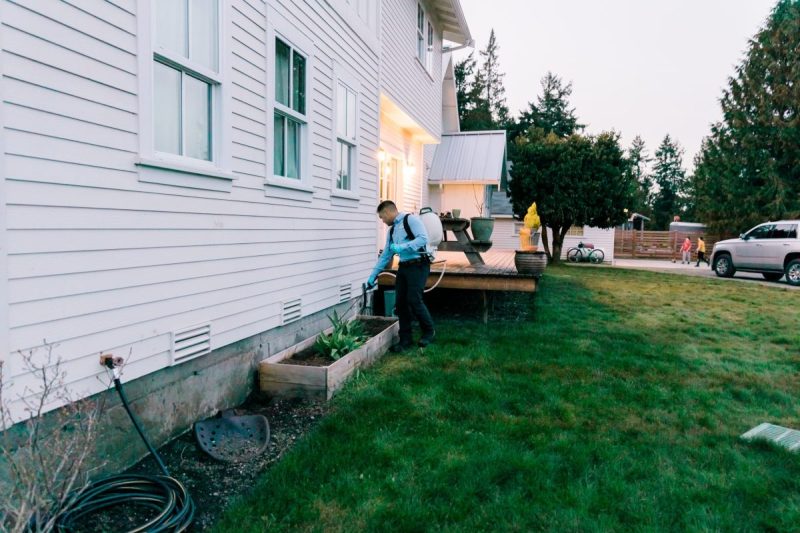
Insecticides can effectively manage bark beetle populations, particularly when applied preventively or at the first signs of infestation. Always follow local regulations and guidelines for pesticide application to protect the environment.
4. Physical Control
Removal may be necessary for trees with severe infestations to prevent the spread to healthy trees. Ensure proper disposal methods, such as chipping or burning, to reduce the beetle population.
Call Insight Pest Solutions In Idaho Falls
Bark beetles are a significant concern for the health of trees and forests in Idaho Falls. Homeowners and property managers can take proactive measures to protect their landscapes by understanding their life cycle and the signs of infestation. Implementing an integrated pest management approach—focused on prevention, monitoring, and control—will help ensure the resilience of our trees against these destructive pests. If you are struggling with a pest infestation, contact Insight Pest Solutions! We’re dedicated to keeping your home and property pest-free.