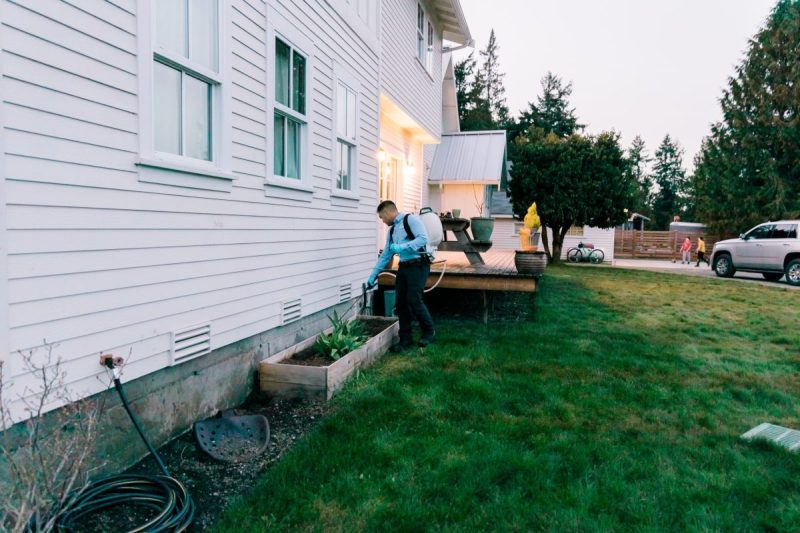

One tiny yet often overlooked invader is the springtail. While these minuscule creatures may not be as notorious as cockroaches or ants, they can still pose challenges for homeowners. In this blog post, we’ll delve into what springtails are, why they’re attracted to your home, and how to manage them effectively.
What Are Springtails?
Springtails are tiny arthropods typically measuring between 1/16 and 1/8 inch long. They come in various colors, including white, gray, and black. These creatures are known for their unique ability to “jump” using a specialized structure called a furcula, which acts like a spring. When threatened, they can launch themselves away from danger, making them difficult to catch.
The Life Cycle of Springtails
Springtails thrive in moist environments, commonly found in gardens, leaf litter, and decaying organic matter. Their life cycle begins with eggs, which hatch into juvenile springtails. They mature quickly, often within a few weeks, and can reproduce rapidly under ideal conditions. This quick turnaround means a small springtail problem can escalate into a more significant infestation if not addressed quickly.
Why Are Springtails Attracted to Your Home?
Springtails are attracted to environments that provide moisture and organic material. Here are some common reasons why they might invade your home:
- High Humidity: Springtails thrive in damp conditions, making areas like basements, bathrooms, and kitchens prime targets.
- Moisture Sources: Leaky pipes, standing water, and overwatered plants can create the perfect springtail habitat.
- Organic Debris: Mulch, compost piles, and decaying plant matter around your home can lure springtails indoors.
Signs of a Springtail Infestation
Identifying a springtail problem can be tricky due to their small size. Here are some signs to watch for:
- Visible Jumps: If you notice tiny, jumping bugs in your home, it’s likely springtails.
- Moisture Issues: Persistent dampness in certain areas can indicate a conducive springtail environment.
- Mold and Mildew: Mold or mildew may attract springtails, as they feed on decaying organic matter.
How to Manage Springtails
If you suspect a springtail infestation in your home, here are some effective management strategies:
1. Reduce Moisture
- Fix Leaks: Repair any plumbing leaks and ensure that gutters function correctly.
- Ventilation: Improve airflow in damp areas like basements and bathrooms using fans or dehumidifiers.
2. Remove Organic Material
- Clean Up Debris: Regularly clean your yard and remove any leaf litter, mulch, or compost that might attract springtails.
- Proper Landscaping: Avoid stacking mulch too close to your home’s foundation, as this can create a hospitable environment for pests.
3. Seal Entry Points
- Close Cracks and Gaps: Inspect your home for any cracks or gaps in windows, doors, and foundations, and seal them to prevent entry.
Call Insight Pest Solutions
While springtails may be small, they can lead to more significant problems if left unchecked. Understanding their habits and taking preventive measures can help keep your home pest-free. If you’re dealing with a springtail issue, don’t hesitate to contact Insight Pest Solutions. With the right strategies, we can help you reclaim your space and enjoy a pest-free home!