
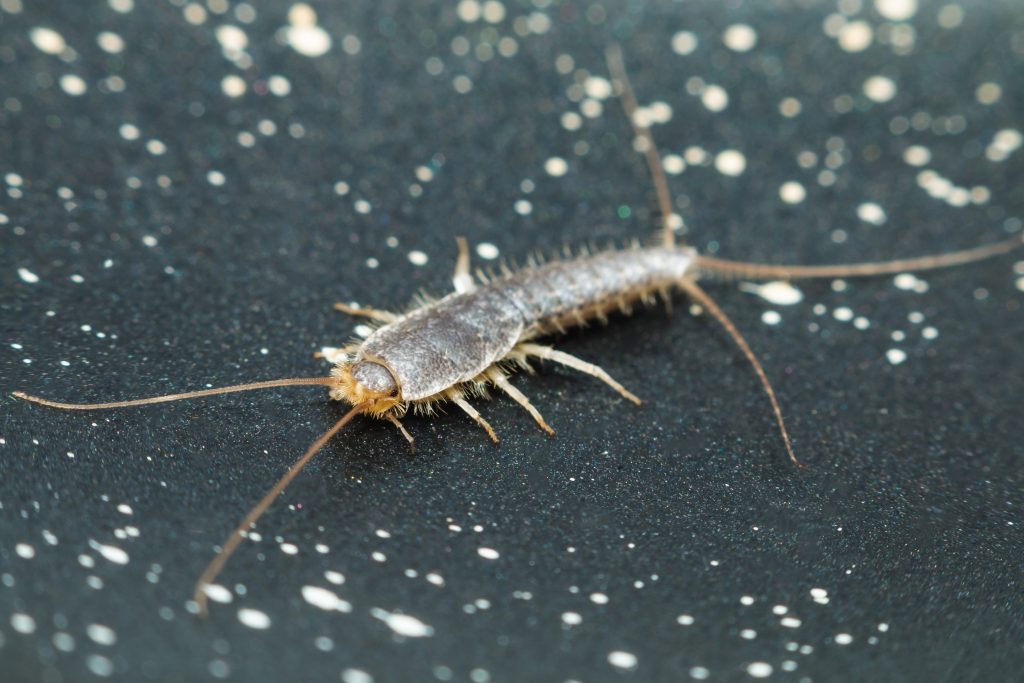
Silverfish are pests that often go unnoticed until they become a nuisance. With their wriggling movements and metallic sheen, these insects can cause significant damage to your belongings, particularly in damp environments. Understanding silverfish from a pest control perspective is essential for effective management and prevention. Here’s what you need to know.
1. What Are Silverfish?
Silverfish are small, wingless insects that typically measure about 1/2 to 1 inch in length. They have a distinctive, fish-like appearance, with elongated bodies covered in silver-gray scales. These nocturnal pests thrive in humid conditions and are often found in basements, bathrooms, and kitchens.
2. Common Signs of Infestation
Detecting a silverfish infestation early can help minimize damage. Here are some signs to look for:
- Physical Evidence: Look for small, silvery insects scurrying away when you turn on the light. You might also find their shed skins, which are thin and translucent.
- Damage to Items: Silverfish feed on starches and proteins, so look for damage to paper, books, wallpaper, clothing, and even food packaging. You may notice holes or irregular marks on these items.
- Feces: Silverfish droppings resemble black pepper grains. Finding these in your pantry or other areas can indicate their presence.
3. Why Silverfish Are Problematic
While silverfish don’t pose direct health risks to humans, they can cause considerable damage to valuable items. They often feed on:
- Books, magazines, and papers
- Starch-based foods, like cereals and flour
- Clothing, especially those made of cotton or linen
Their feeding habits can lead to costly replacements and repairs, making it essential to control their populations.
4. Ideal Conditions for Silverfish
Silverfish thrive in dark, humid environments. They prefer temperatures between 70°F and 80°F and high humidity levels. Common areas where they’re found include:
- Bathrooms: Damp and often poorly ventilated.
- Basements: Dark and usually humid, providing perfect breeding grounds.
- Kitchens: Food sources and moisture attract them.
Understanding these conditions can help in targeting prevention efforts.
5. Effective Control Methods
If you suspect a silverfish infestation, here are some control methods to consider:
- Reduce Humidity: Use dehumidifiers and exhaust fans in areas prone to moisture. Keeping humidity levels below 50% can deter silverfish.
- Seal Entry Points: Close cracks and crevices in walls, around windows, and doors. This prevents silverfish from entering your home.
- Food Storage: Store food in airtight containers to eliminate access to starches. Keep pantries organized and regularly cleaned.
- Boric Acid: Use this insecticide in areas where silverfish are found. It’s toxic to them and should be used cautiously, especially around pets and children.
6. Prevention Strategies
Preventing silverfish from entering your home is crucial in avoiding infestations. Here are some proactive measures:
- Regular Cleaning: Maintain a clean home, focusing on moisture-prone areas. Vacuum regularly and wipe down surfaces.
- Declutter: Minimize clutter, particularly in basements and storage areas, as silverfish love hiding in dark, cluttered spaces.
- Proper Ventilation: Ensure your home is well-ventilated to reduce humidity levels, especially in bathrooms and kitchens.
Call Insight Pest Solutions
Silverfish may be small, but their potential for damage is significant. You can protect your home from unwelcome pests by understanding their behavior, signs of infestation, and effective control methods. Regular maintenance and prevention strategies will go a long way in keeping your space silverfish-free. If infestations persist, don’t hesitate to call Insight Pest Solutions.