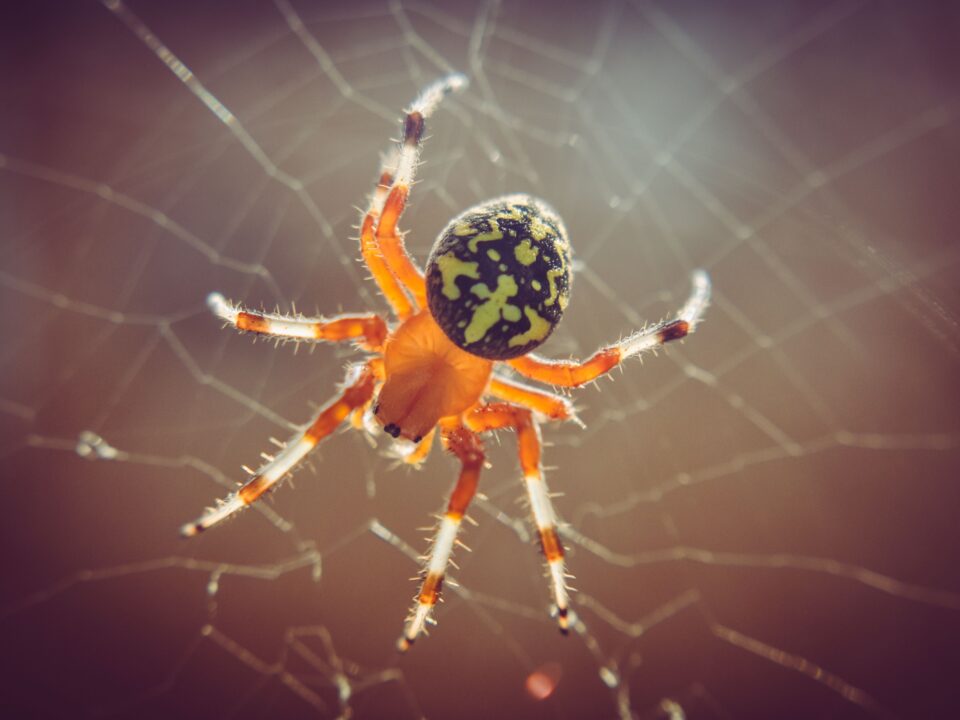

Black widow spiders are fascinating creatures known for their distinctive appearance and potent venom. Understanding their lifecycle can help you better manage their presence in your home. Here’s a breakdown of each stage in the lifecycle of a black widow spider.
1. Egg Stage
The lifecycle of a black widow begins with the egg stage. A female black widow can produce anywhere from 200 to 900 eggs in a single sac, which she typically creates in secluded, dark areas, such as dark corners, woodpiles, or hidden spaces around the home. The egg sac is often beige or white and can be round or oval-shaped. Depending on environmental conditions like temperature and humidity, the eggs will remain dormant in the sac for about two weeks before hatching.
2. Spiderling Stage
Once the eggs hatch, the tiny spiderlings emerge. These young spiders are extremely small—about 1/8 inch in size—and are usually pale or light-colored. In this stage, they are vulnerable and must find food quickly, often feeding on small insects.
Spiderlings are known to disperse by a method called “ballooning,” where they spin silk threads that catch the wind. This allows them to travel considerable distances to new habitats, helping them avoid competition and find suitable places to thrive.
3. Juvenile Stage
After several molts, the spiderlings transition into the juvenile stage. During this phase, they resemble adult black widows, developing their characteristic shiny black bodies and hourglass markings. Juveniles grow quickly, molting multiple times as they increase in size. Depending on food availability and environmental conditions, this stage can last several weeks to a few months. Juvenile black widows are still vulnerable to predators and harsh environmental conditions, making survival skills crucial during this period.
4. Adult Stage
Black widow spiders become adults after reaching maturity, which typically occurs within three to six months. Males are generally smaller and less robust than females. Adults will continue to molt periodically, though at a slower rate.
Mating: In the adult stage, mating occurs. Males are often cautious, as females are known to engage in sexual cannibalism, where they may eat the male after mating. After mating, females will create their egg sacs, starting the lifecycle anew.
Lifespan: Adult females can live for one to three years, while males typically have shorter lifespans, living only a few months.
Call Insight Pest Solutions
Understanding the lifecycle of black widow spiders is essential for effective pest management. Remember, if you are bitten by one of these spiders, you should seek medical attention immediately. If you suspect an infestation or find these spiders in your home, don’t hesitate to contact Insight Pest Solutions for professional help. Our team can provide safe and practical solutions to keep your living space free from unwanted guests!