Grasshoppers are common in many different environments. For kids, they are fun to play with, and their little chirps and hopping movements mark the onset of warmer weather. However, these insects still pose a significant threat to gardens. Understanding grasshoppers is crucial for anyone looking to protect their outdoor space. In this blog post, we’ll learn how these pests work and explore some ways of preventing them.
How to Identify a Grasshopper
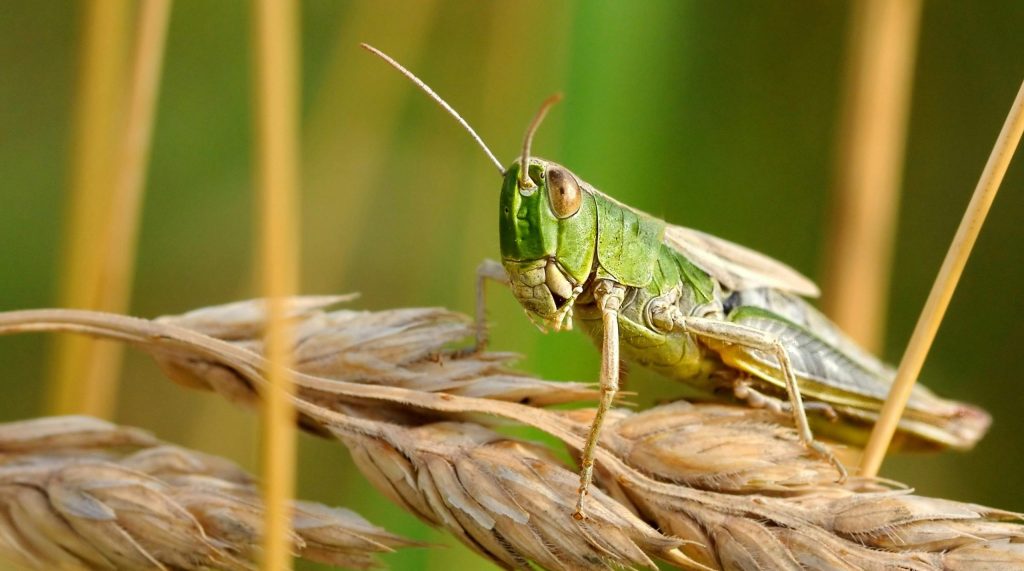
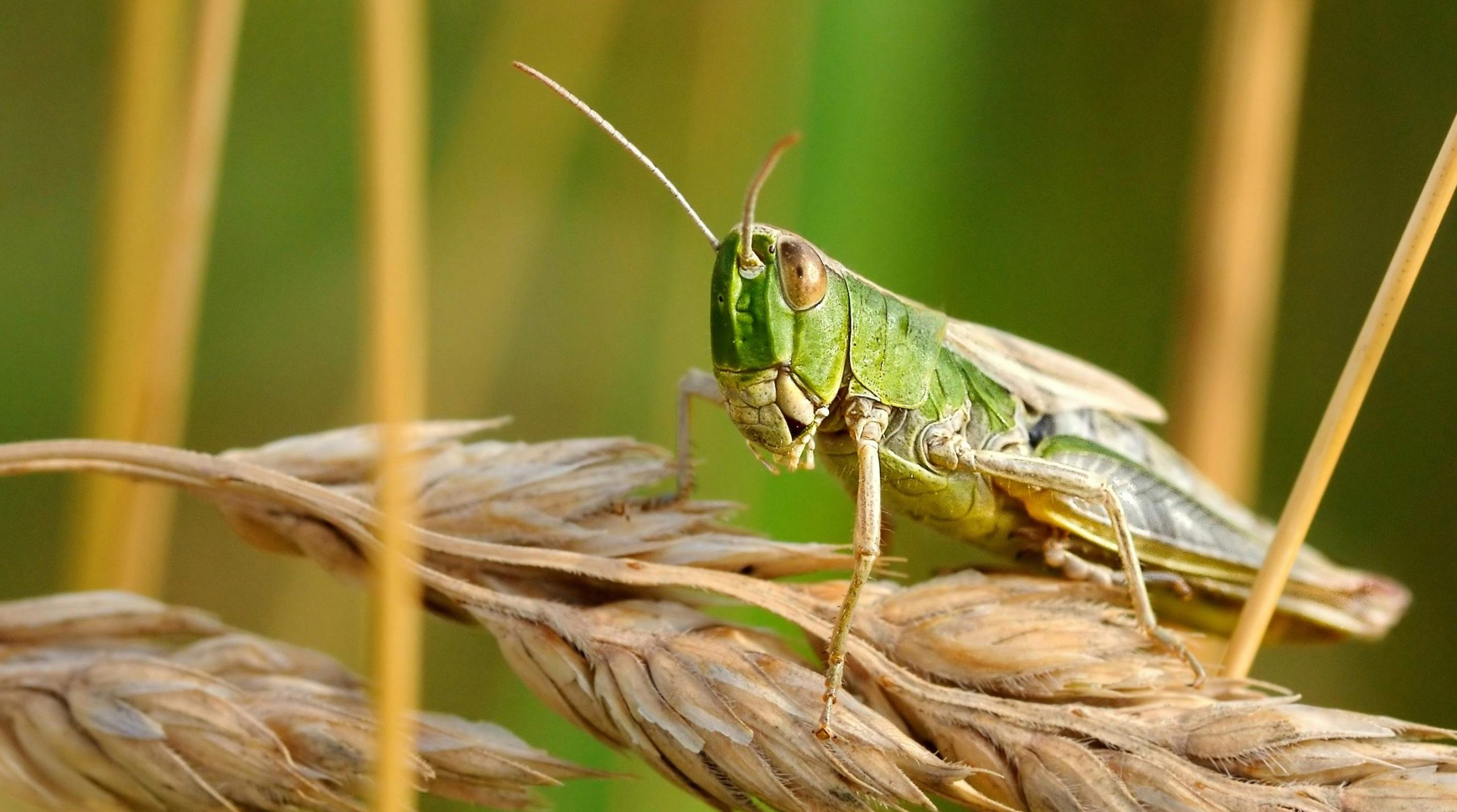
Grasshoppers come in various hues, but they usually appear green, brown, grey, or a mix of them. Their diet primarily consists of leaves, stems, and other plant materials. While a few grasshoppers might not pose a large threat, large populations can quickly become a severe problem. They are particularly notorious for their ability to form swarms, which can devastate garden plants very quickly. Grasshoppers are also highly adaptable. They can thrive in a range of environments, from lush gardens to dry fields, and their ability to blend into their surroundings and reproductive efficiency make them pesky, to say the least.
Identifying Their Damage
Half-eaten Plants: Grasshoppers chew through leaves, leaving jagged edges and holes behind. Severe feeding causes poor plant health.
Swarms: In extreme cases, grasshoppers may form large swarms that can strip entire fields or gardens of vegetation in a matter of days.
Nymphs and Adults: Grasshoppers transition from nymphs (baby grasshoppers) to adults without a pupal stage, and both are damaging. So, it’s essential to manage them throughout their life cycle.
Preventative Measures
Sanitation: Keep your garden and field areas clean by removing plant debris and weeds, which provides the perfect home for grasshoppers.
Barriers: Physical barriers, like netting, can help protect vulnerable plants from grasshopper feeding. Ensure that your barriers are secured to the ground to prevent grasshoppers from crawling underneath.
Natural Predators: Encourage natural predators like birds that feed on grasshoppers. Providing habitat for these predators can help maintain their populations.
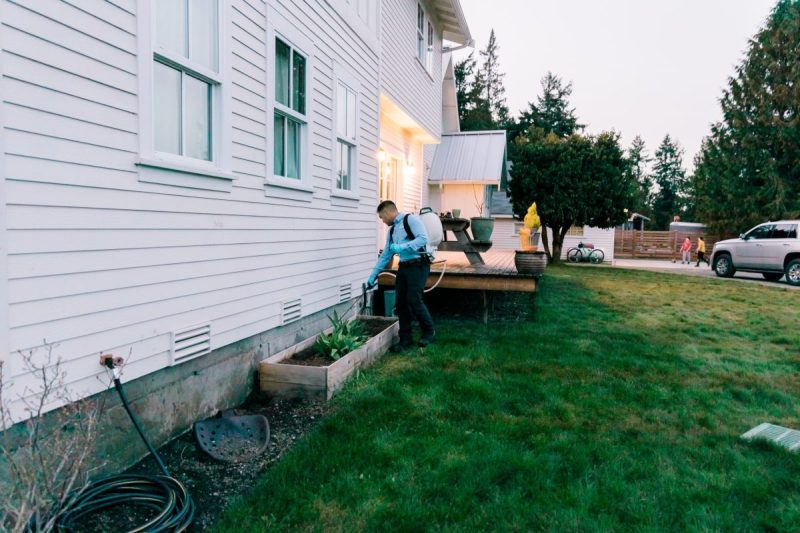
Pesticides: Chemical pesticides may be necessary when dealing with severe infestations. Choose products specifically labeled for grasshopper control.
Insecticidal Soaps: For a more natural option, insecticidal soaps and oils can be used to control grasshoppers. These products are better for the environment compared to synthetic chemicals.
Monitoring: Regularly monitor grasshopper populations and your plant’s health to assess the need for action. Early recognition allows for more effective solutions.
Thresholds: Establish action thresholds based on the level of damage and grasshopper density. Only apply control measures when necessary to avoid unnecessary treatments and potential damage to your garden.
Contact Insight Pest Solutions
Grasshoppers are a challenging pest, especially in gardens, where they can cause significant damage. By understanding their behavior and implementing these control methods, you should be able to manage grasshopper populations. We want to ensure you have a pest-free home and garden, so if you or someone you know is struggling with grasshoppers or any other pest, be sure to contact Insight Pest Solutions. Our experienced teams of technicians and staff are ready to help!