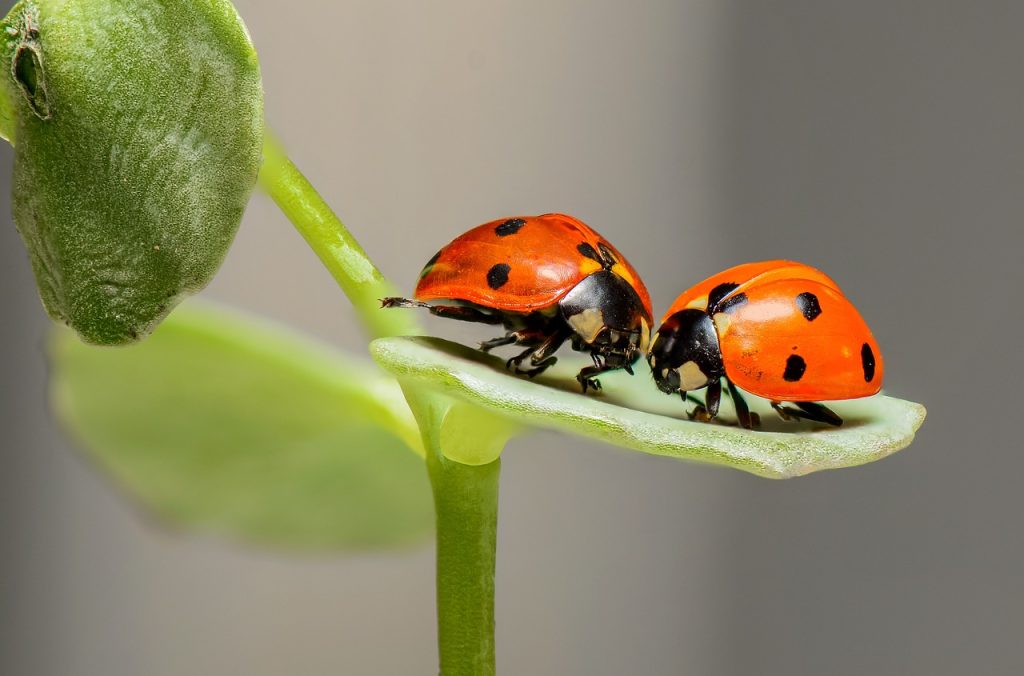
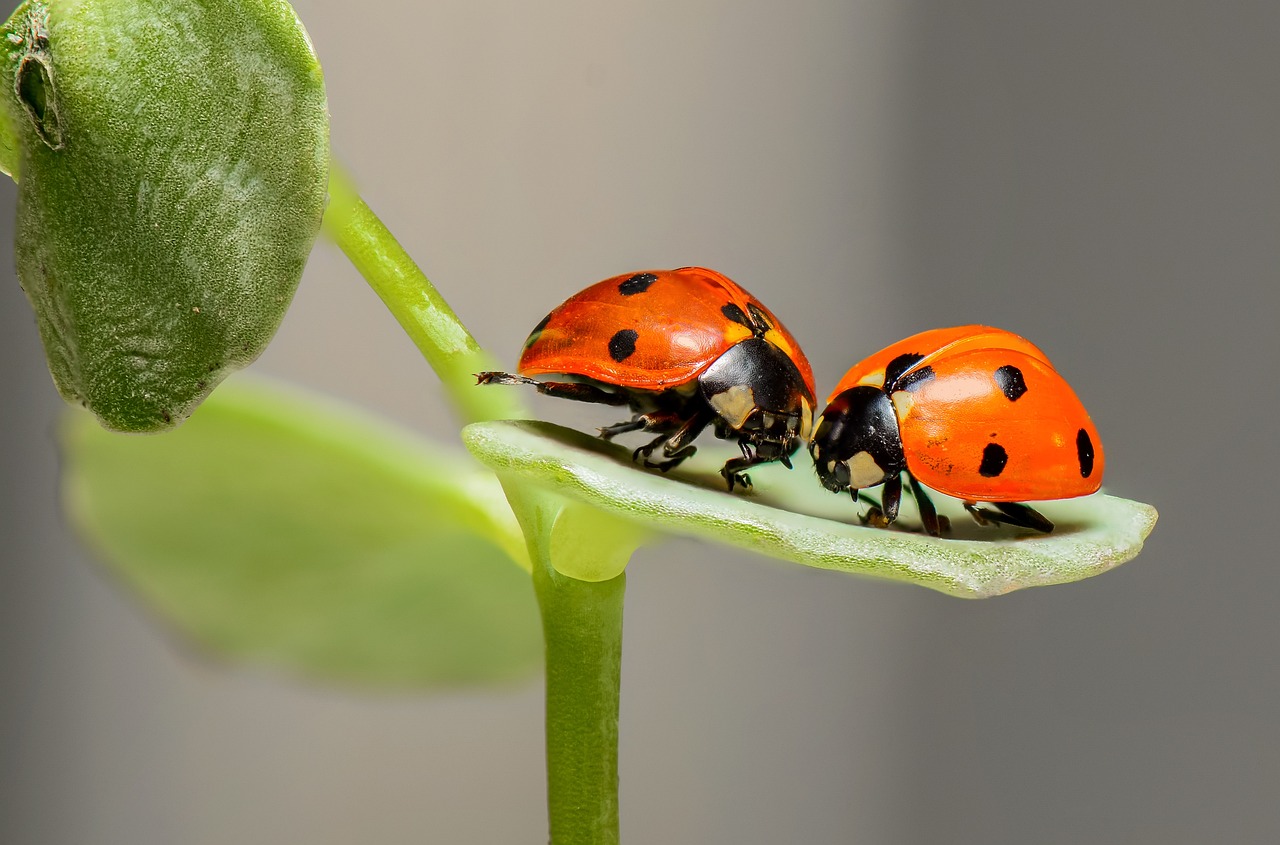
Ladybugs are a common insect found around gardens and vegetation. Is it true that ladybugs are good for your garden? And, if they are, what benefits do they serve?
Ladybugs and Natural Pest Control
Ladybugs act as natural pest control as they are natural predators and feast on common garden pests such as aphids, mites, and scale insects. Aphids can be especially important to control as they are notorious for damaging plants. If your garden is infested with aphids, it can be beneficial to introduce ladybugs into your garden. This can help keep your pest population controlled and prevent pests from damaging your garden’s vegetation. The presence of ladybugs is a great indicator of a balanced and healthy garden ecosystem.
Attracting Ladybugs to Your Garden
If your garden is infested with aphids, mites, or scale insects, there are multiple ways you can introduce ladybugs into your garden. One option is to simply purchase ladybugs from some gardening stores, or you can even purchase live ladybugs online. Another way to introduce ladybugs is by creating an environment that attracts ladybugs. This involves planting pollen-rich flowers like dill, marigolds, and fennel.
Ladybugs Help Our Ecosystem
Believe it or not, bees are not the only pollinators in the bug world. Ladybugs serve a large purpose when it comes to pollination. Ladybugs will oftentimes visit flowers, and during their process, carry nectar and pollen from one flower to another. Most flying insects, along with bees, serve as pollinators and help our ecosystem.
The question of whether ladybugs are beneficial for your garden is answered with a resounding yes. Though these bugs only eat soft-bodied insects, like aphids and mites, they are helpful when it comes to pollinating your garden and keeping small, damaging pests out. The presence of a ladybug is a good indication of a well-balanced and healthy garden ecosystem.
To harness these benefits, gardeners can actively attract ladybugs by incorporating pollen-rich flowers such as dill, marigolds, and fennel. It’s not just about pest control; ladybugs, often overshadowed by bees, also contribute significantly to pollination, carrying nectar and pollen from one flower to another. As we appreciate the multifaceted contributions of ladybugs, it becomes clear that these tiny insects are unsung heroes in nurturing the vitality of our gardens and supporting the broader health of our ecosystem.