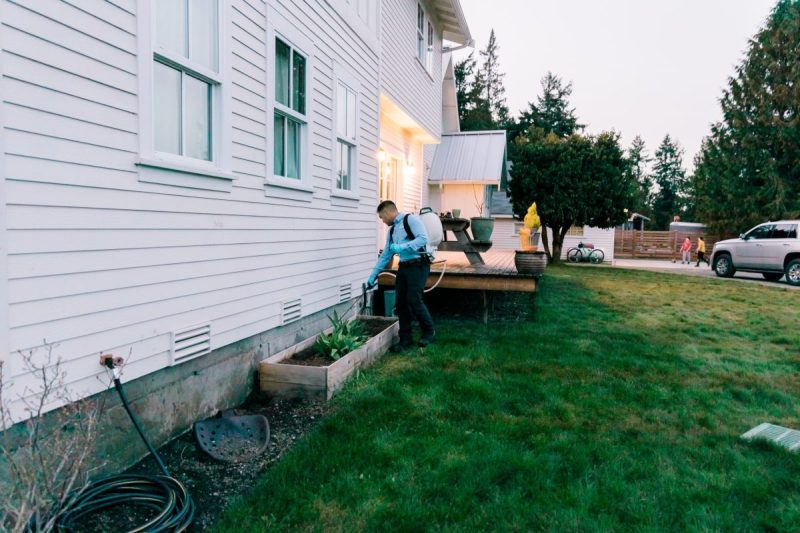

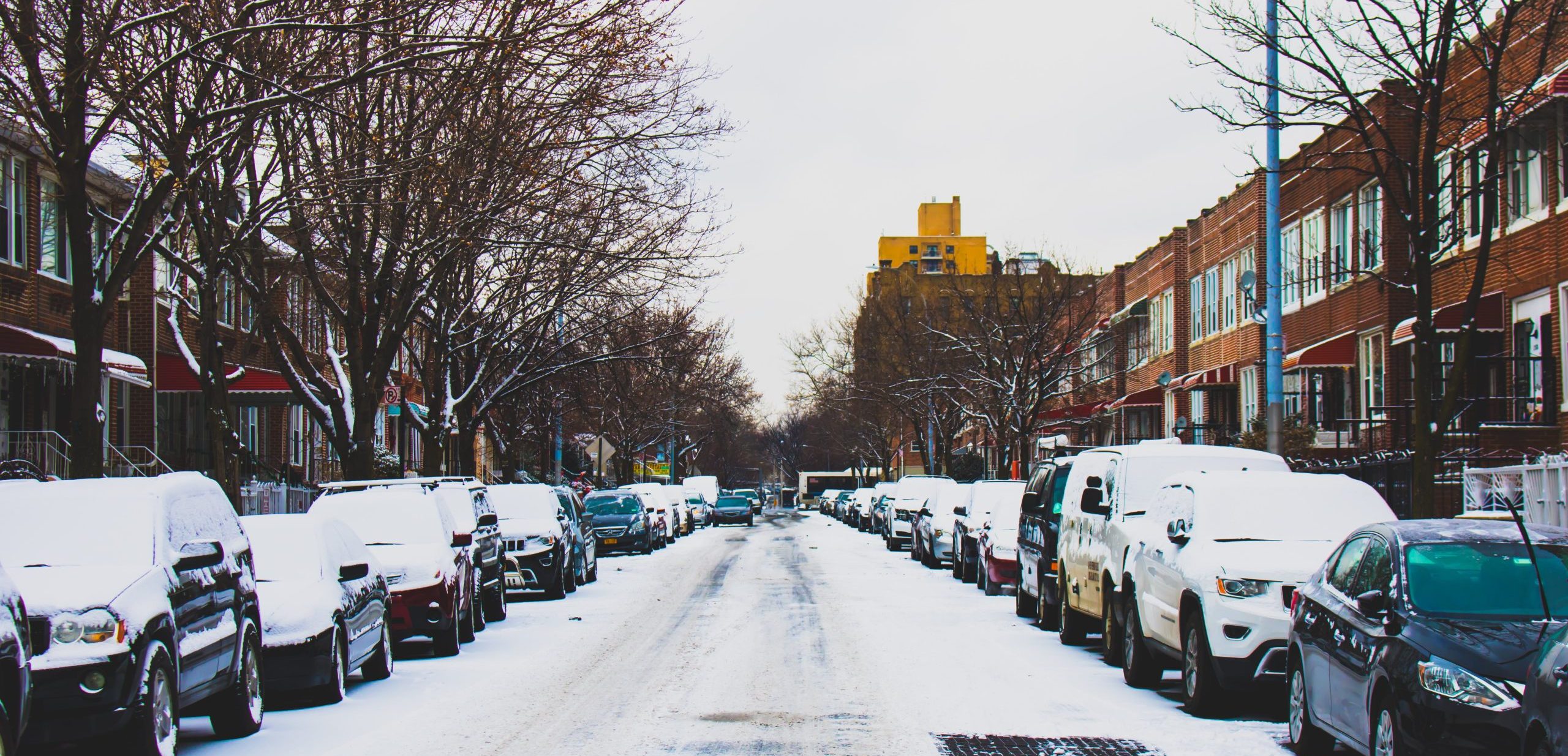
While pest activity may be low in January, it doesn’t mean pests aren’t in your area. In the Pacific Northwest, January is known for being the coldest month of the year. This means that pests are deep in hibernation mode. Many pests, like spiders, rodents, beetles, ants, and silverfish, tend to hibernate and seek shelter from the cold inside people’s homes. During this hibernation period, pests are more vulnerable as they spend most of their energy surviving the cold temperatures. January can be a perfect time to treat pests in your home while they are less likely to fight back.
With the increase of pests inside your home during the winter and early spring seasons, there are numerous things you can do to protect your home and prevent bugs from coming inside. It is important to note that any severe pest infestation may require professional help. While these suggestions are helpful and useful, they may not be as effective as a trained pest control technician’s solutions.
Seal Entry Points
It is important to keep your home sealed from any potential entryways for pests. Use materials like caulk, weatherstripping, steel wool, or wire meshing to help seal your home from any outdoor exposure. Look for areas along your baseboards, walls, foundation, ceiling line, and corners. These areas are typically more susceptible to small cracks and openings.
Remove Food Sources
Bugs and rodents are attracted to food sources like trash cans, accessible pet food, or any left-out food on counters or floors. Keeping your home clean by regularly vacuuming, sweeping, and wiping down surfaces, can help remove this main attractant. It can also be beneficial to store any leftover food in airtight sealed containers. If a spill or mess occurs, it is important to promptly clean this mess to avoid any crumbs or sugary surfaces.
Reduce Moisture
While food is a main attractant for pests, water is equally important. Many pests, like silverfish, thrive in damp environments and can commonly find damp areas inside a person’s home. Fix any leaky pipes and ensure proper ventilation for humid areas such as bathrooms and kitchens. Reducing the moisture levels in your home can make the area less appealing to bugs and rodents.
Set Traps
For larger pests, like rodents, it can be useful to set traps to capture any current pests inside your home. Setting traps for bugs can also be helpful, however, it is most common to vacuum these smaller pests up and discard them in an outdoor area or outside trash. While traps can be a useful way to capture the pests in your area, there may be better solutions. For larger infestations and higher amounts of pest population, contact your local Insight Pest Solutions. It is important to act quickly with pest infestations before they grow and cause greater damage to the situation.