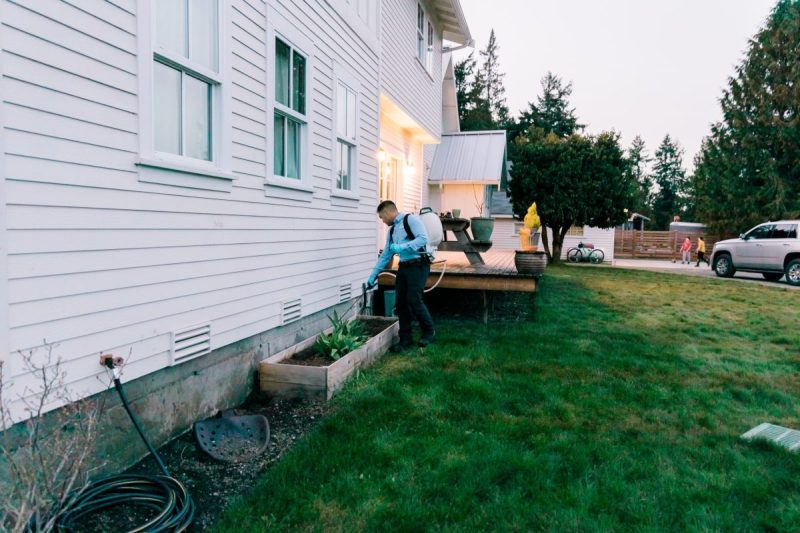

As seasons change, so do pest behaviors and populations. Weather plays a crucial role in determining when and where pests become active, how they reproduce, and how they seek shelter. Understanding this connection can help homeowners and businesses prevent infestations proactively. Let’s explore how various weather conditions influence pest activity.
1. Temperature Trends
Warm Weather Brings Increased Activity
Pests are cold-blooded creatures, meaning their body temperature and activity levels are influenced by the surrounding environment. Warmer temperatures typically lead to increased pest activity. For example, ants and cockroaches become more active in spring and summer, seeking food and nesting sites. Mosquitoes thrive in warm weather and can breed in stagnant water, leading to population booms.
Cold Weather and Pest Dormancy
Conversely, colder temperatures can drive pests into dormancy or hibernation. This behavior is particularly notable for bugs like ladybugs and stink bugs, which seek shelter indoors to survive winter. Rodents often enter homes in search of warmth and food during colder months.
2. Rainfall and Humidity
Moisture as a Magnet
Rain and humidity can significantly affect pest populations. Pests like mosquitoes, termites, and ants thrive in moist conditions. Mosquitoes need standing water to breed, making rainy seasons prime time for swarming. Termites are attracted to moisture and can invade homes with water damage or leaks.
Increased Vegetation
Excessive rain can lead to lush landscapes, providing ample hiding spots and food sources for various pests. This can result in a rise in ticks and fleas, which thrive in dense, moist vegetation, and increased activity of rodents that seek food from gardens and overgrown areas.
3. Seasonal Changes
Spring Awakening
As temperatures rise in spring, pests emerge from their winter hiding places. This is when homeowners should be particularly vigilant. Ant colonies become active, and they may enter homes for food. Bed bugs may also become more noticeable as people travel and introduce them to new environments.
Summer Surges
Pest populations can reach their peak in summer due to favorable breeding conditions. Flies, bees, and wasps are commonly seen as they are attracted to outdoor gatherings and food. Regular inspections and preventive measures are essential to keep these pests at bay.
Autumn Preparations
As the weather cools in fall, many pests seek shelter indoors. Rodents will look for entry points to keep warm and find food, often leading to infestations. Spiders may move indoors as the temperature drops, looking for warm places to spin their webs.
4. How to Prepare for Weather-Related Pest Activity
- Seasonal Inspections: Regularly inspect your home, especially before and after seasonal changes. Look for signs of pests and potential entry points.
- Seal Entry Points: Close gaps around windows, doors, and foundations to prevent pests from entering your home.
- Manage Moisture: Fix leaks and use dehumidifiers in damp areas to reduce moisture that attracts pests.
- Maintain Your Yard: Keep your landscaping trimmed and remove standing water to deter breeding grounds for pests like mosquitoes.
Call Insight Pest Solutions
The connection between weather and pest activity is significant, with temperature, rainfall, and seasonal changes directly influencing pest behavior. Understanding these patterns and taking proactive steps can protect your home from unwanted pests year-round. Be sure to contact Insight Pest Solutions if you suspect a pest infestation.