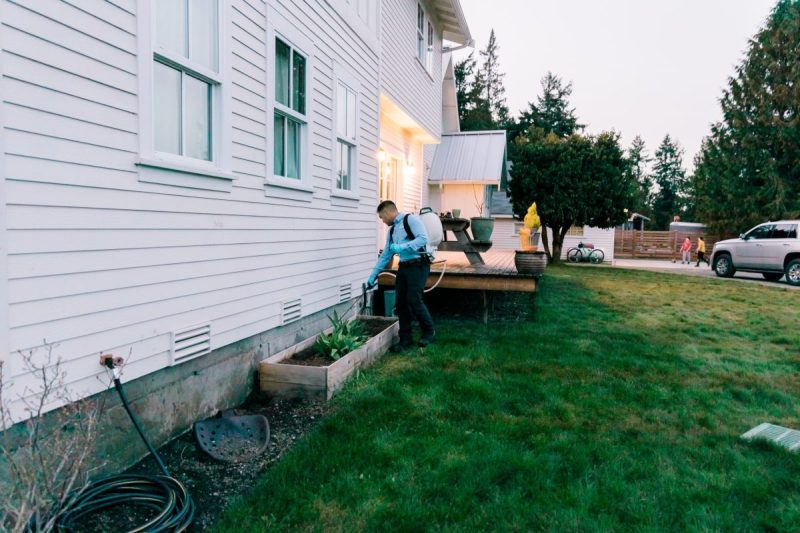

When we think about the threat of pests, the first things that often come to mind are itchy bites or painful stings. However, the impact of these intruders extends far beyond these immediate issues. Understanding these hidden dangers is crucial for taking adequate measures to protect your home and family. In this post, you’ll explore five unexpected ways pests can impact your well-being and provide tips for reducing these risks.
1. Spread of Allergens
Many common household pests, such as cockroaches, dust mites, and rodents, are known to spread allergens. Cockroach droppings, saliva, and body parts contain proteins that can actually trigger allergic reactions and asthma attacks, especially in children and people with pre-existing conditions. Dust mites produce allergenic waste products that can also trigger asthma and cause other allergic symptoms.
Tip: Regular cleaning, proper ventilation, and low humidity in your home can help reduce allergen buildup.
2. Disease Transmission
Pests like rodents, mosquitoes, and flies are known carriers of various diseases. Rodents can spread things like hantavirus and salmonella through their droppings and urine. Mosquitoes are notorious for transmitting diseases like West Nile, Zika, and malaria. Flies can carry pathogens in their bodies and feces, potentially contaminating food and surfaces.
Tip: To minimize the risk of disease, seal any entry points in your home, use insect repellents, and ensure your home is free of standing water where mosquitoes can breed.
3. Structural Damage and Safety Hazards
Termites and carpenter ants can cause significant structural damage to your home. Termites feed on wood and can compromise the structural integrity of your home, leading to costly repairs. Although not as destructive as termites, carpenter ants can still create hollowed-out wood that weakens your home’s structure. This damage can pose safety risks, including the potential for structural collapse.
Tip: Keeping your home in good repair and addressing any moisture issues is vital to help prevent infestations.
4. Food Contamination
Pests like ants, cockroaches, and rodents can contaminate food supplies. They can spread bacteria and other pathogens, leading to foodborne illnesses. Rodents, in particular, can chew through food packaging, leaving behind contaminants that can affect the safety of your food.
Tip: Store food in airtight containers, keep your kitchen and pantry clean, and promptly address any signs of pest activity.
5. Mental and Emotional Stress
This may seem silly to some, but pests in your home can also affect your mental and emotional well-being. Constant worry about pests, sleepless nights due to itching or buzzing, and the stress of dealing with an infestation can impact your quality of life. This stress can affect your overall health, immune system, and mental health.
Tip: Address pest issues promptly to reduce stress and maintain a comfortable living environment.
Call Insight Pest Solutions
Pests are more than just an annoyance—they can pose actual health and safety risks. You can proactively protect yourself and your family by understanding these hidden dangers. Regular cleaning, proper food storage, and timely pest control measures are essential for mitigating these risks. If you suspect an infestation or need help addressing a pest problem, don’t hesitate to contact Insight Pest Solutions! Our staff and experienced technicians are dedicated to helping you keep your home free of any pest infestation.