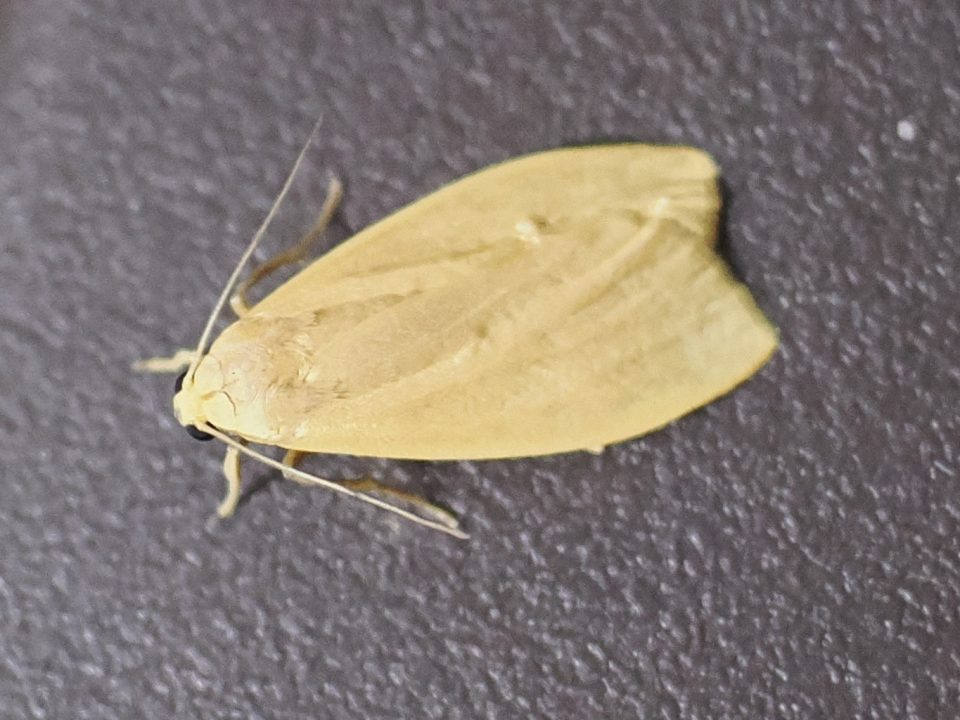


Indian Meal Moths are common flying pests often infested with food products. If you find yourself with a moth infestation, you’ll most likely find them nested in your pantry or food storage. Moths are harmless to humans, though they reproduce rapidly and can become a nuisance quickly as they damage and destroy the food in your home.
Indian Meal Moths have a very distinct appearance. Their wings are two-toned with the front half being pale gray and the back half being reddish-brown. These moths are small as their wingspan is only 0.6 to 0.8 inches wide.
These moths feast on grains, cereals, flour, nuts, dried fruits, spices, pet food, and birdseed. They are known to penetrate food packaging material and contaminate items around them in the process.
A single female moth can lay up to four hundred eggs at one time after mating. It takes these moths only thirty days to become a full adult and depending on temperature and food availability, can live for an additional twenty-five days. This gives the moths plenty of time to mate and lay eggs multiple times. The Indian Meal Moths will typically seek crevices, cracks, or folds, commonly found in food packaging, or directly on the food source to lay their eggs. This makes it vital to search your food packaging and food contents when you see these moths frequenting the inside of your home. Infestation signs include flying adult moths, larvae or webbing inside food packages, and small, white cocoons attached to surfaces, usually in the dark.
Preventing moths from entering your home and infesting your food is vital to your health. It is important to keep your food items stored in an airtight container. This prevents moths and larvae from accessing their food source and breeding grounds. Even though these sealed containers help prevent infestation, it is still important to inspect your food for larvae from time to time. By taking these preventative measures, your home, and food will be moth-free.
Keeping your pantry and kitchen area clean and free from food debris, will also help prevent moths from entering your home. Moths will only linger if they’ve found a sufficient food source. If the home is kept clean and free of crumbs, moths will not be able to thrive in your space.
If you see one or two moths on occasion, an easy way to discard these pests is to simply vacuum them up. Things such as moth traps and moth balls are also beneficial. Keep in mind that these traps and balls are not enough if you are experiencing an infestation. It is important to find the larvae source and discard it as quickly as possible when multiple Indian Meal Moths are flying in your home.
If you have a severe infestation, it may be necessary to consult your local Insight Pest Solutions. Insight Pest Solutions is here to make your home and everyday life a better place.
Our technicians will help give you the peace of mind that you deserve.